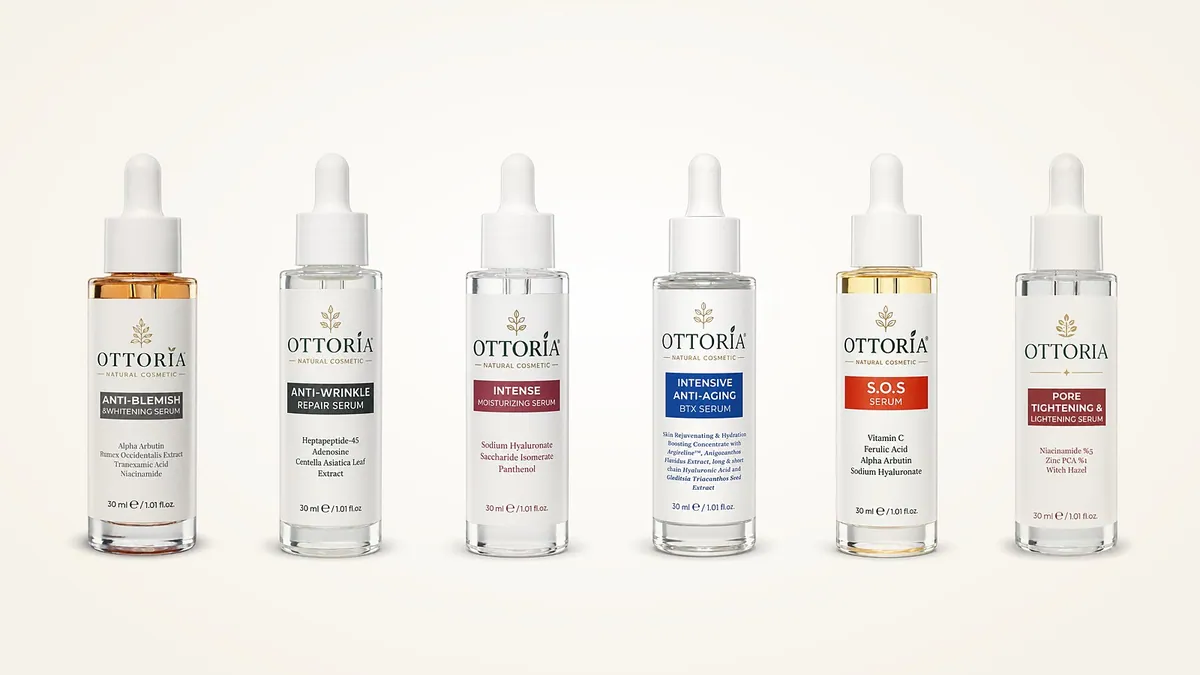
Short answer: To sell a cosmetic product in Turkey, the product must be manufactured in line with the Cosmetic Products Regulation, a responsible person must be designated, a product information file and safety report must be prepared, the label must comply, and the product must be notified to the Product Tracking System (ÜTS) of the Turkish Medicines and Medical Devices Agency (TİTCK) before it is placed on the market.
This article is for general information. Always rely on the current legislation and TİTCK guidance for obligations specific to your product.
Which legislation applies?
Cosmetic products in Turkey are governed by the Cosmetic Products Regulation published in Official Gazette No. 32184 on 8 May 2023. It repealed the former Cosmetics Regulation published in Official Gazette No. 25823 on 23 May 2005 and aligned Turkish rules with EU Regulation (EC) No 1223/2009 on cosmetic products. The competent authority is the Turkish Medicines and Medical Devices Agency (TİTCK).
1. Who is the responsible person?
Every cosmetic product placed on the market needs a responsible person who ensures its compliance. In private label projects, the contract must clearly state whether this role sits with the brand owner or the manufacturer.
2. Why is good manufacturing practice (GMP) mandatory?
Cosmetic products must be manufactured in line with good manufacturing practice. Article 8 of the EU Cosmetics Regulation puts it this way:
"The manufacture of cosmetic products shall comply with good manufacturing practice with a view to ensuring the objectives of Article 1."
Under the Regulation, compliance with GMP is presumed where manufacturing follows the relevant harmonised standards. The core standard for cosmetics is ISO 22716.
3. What does the product information file (PIF) contain?
The product information file brings together the documents that demonstrate a product's safety and compliance. It generally includes:
- a description of the product,
- the cosmetic product safety report,
- a description of the manufacturing method and a statement of GMP compliance,
- proof of the claimed effects,
- data on any animal testing, where applicable.
4. How is the safety assessment carried out?
The cosmetic product safety report shows that the product is safe for human health under its intended conditions of use. It is prepared by a qualified safety assessor, who considers the formula's composition, physical and chemical characteristics, stability, microbiological quality, packaging material, normal use and exposure. TİTCK has published guidance on safety assessment and safety assessors.
5. What must appear on the label?
The following information must appear legibly and indelibly on the label:
- Name or registered name and address of the responsible person
- Nominal content
- Date of minimum durability or period after opening (PAO)
- Precautions for use
- Batch number
- The product's function, unless clear from its presentation
- List of ingredients
Language requirements for this information are set out in the Regulation.
6. How is the ÜTS notification made?
Before the product is placed on the market, the responsible person notifies it to the Product Tracking System (ÜTS). The notification includes details such as the barcode, brand and product name, nominal content, function, responsible person details, and label and packaging images.
7. What obligations continue after launch?
The responsible person's obligations continue after the product is on sale. Undesirable effects must be recorded, and serious undesirable effects must be reported to TİTCK (cosmetovigilance).
Summary checklist
| Step | Responsible | Document or output |
|---|---|---|
| Designating the responsible person | Brand owner / manufacturer | Contract |
| GMP-compliant manufacturing | Manufacturer | Production and quality records |
| Safety assessment | Safety assessor | Safety report |
| Product information file | Responsible person | PIF |
| Label compliance | Responsible person | Approved label |
| ÜTS notification | Responsible person | Notification record |
In private label projects, Ottoria Kozmetik plans these documentation steps together with brand owners and provides the necessary production records.