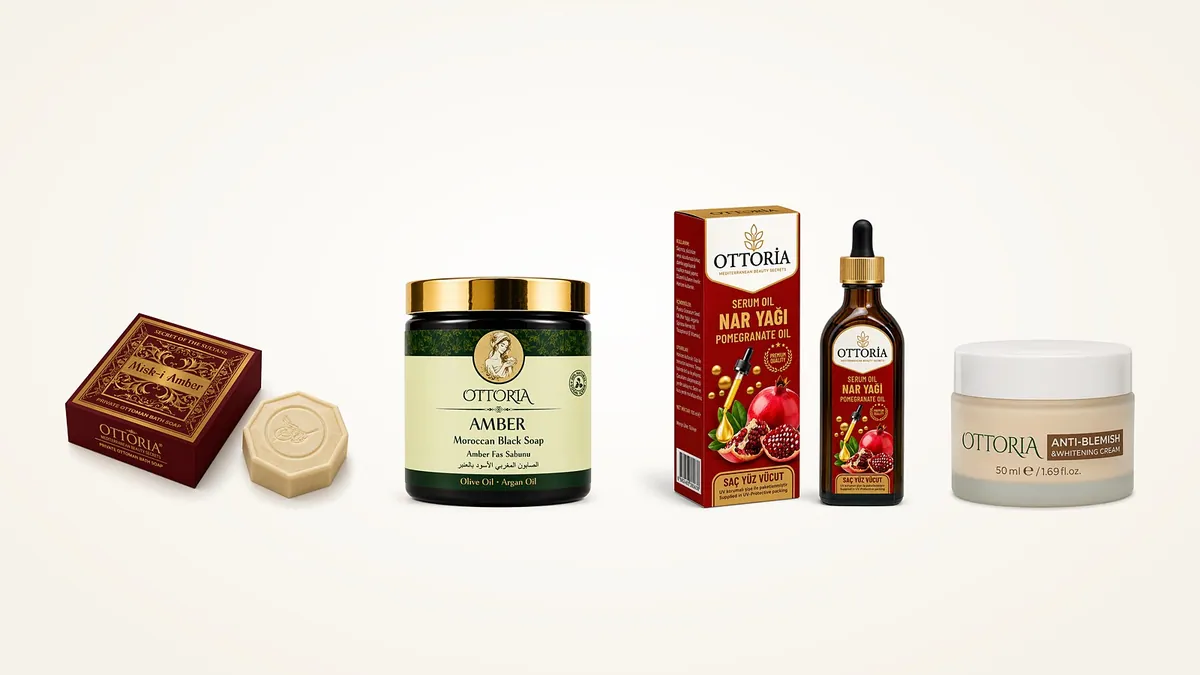
Short answer: The right cosmetic packaging depends on the formula's texture and sensitivity, hygiene expectations, target price positioning and logistics. Tubes and jars generally suit creams, dropper bottles suit serums, and airless packaging suits light- and air-sensitive formulas.
Why does packaging matter so much?
Primary packaging is in direct contact with the product. It affects not only appearance but also the formula's stability, microbiological safety and user experience. Annex I of the EU Cosmetics Regulation lists the relevant characteristics of the packaging material among the information to be considered in the safety assessment.
How do packaging types compare?
| Packaging | Best for | Advantages | Watch-outs |
|---|---|---|---|
| Tube | Creams, gels, lotions, masks | Hygienic, portable, dose control | Filling very thick textures can be harder |
| Jar | Rich creams, balms, masks | Premium perception, use to the last bit | Air and finger contact at every use |
| Dropper bottle | Water- and oil-based serums | Precise dosing, classic serum look | Amber or opaque glass recommended against light |
| Airless bottle or jar | Formulas with sensitive actives | No air contact, hygienic | Higher unit cost |
| Pump bottle | Lotions, cleansers, fluid creams | Practical, hygienic use | Not suitable for very thick textures |
How do you match packaging to the formula?
Light- and air-sensitive ingredients
Formulas with oxidation-prone ingredients such as vitamin C derivatives and some plant oils should use airless or opaque packaging.
Rich creams and balms
Wide-mouthed jars make rich products easy to use. For hygiene, consider adding a spatula and make sure the preservation system is adequate.
Everyday use and portability
Tubes are the most practical option for hand creams and care gels. Aluminium tubes prevent air suck-back and protect the formula better.
What are the sustainable packaging options?
- Mono-material packaging that is easier to recycle
- Bottles and tubes with post-consumer recycled (PCR) plastic
- Reducing unnecessary secondary packaging
- Refillable systems
Six questions to ask before deciding
- Is my formula sensitive to light, air or heat?
- Is the product single-use or multi-use?
- What price and quality perception does my audience expect?
- Will the product be shipped via e-commerce or sold on shelves?
- Is there enough surface for the label and mandatory information?
- Do the packaging supplier's minimum quantities fit my production plan?
Conclusion
Packaging is as strategic as the formula itself. Once your formula and brand positioning are clear, the soundest approach is to assess packaging together with the formula for stability and compatibility. Ottoria Kozmetik plans formula and packaging decisions in a single process so your product meets expectations both on the shelf and in use.